 Skip to content


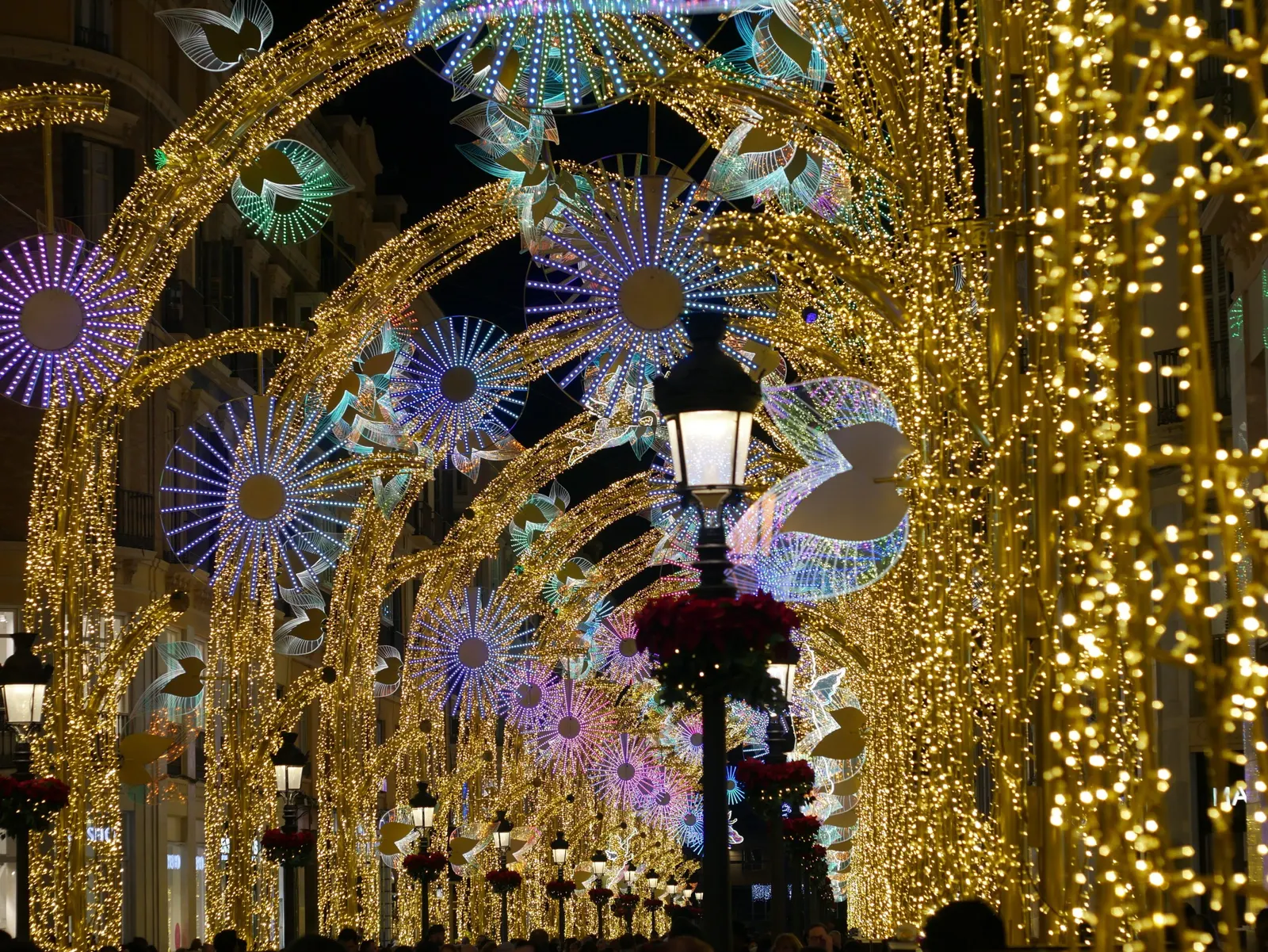
Christmas in Spain is more relaxed than in Poland. There is less tension and chasing after perfection, and more light, get-togethers outside the home and the joy of being together. The festive period lasts a long time: it starts with the El Gordo lottery draw on 22 December and ends with gifts from the Three Kings on 6 January.
When does Christmas start in Spain?
The festive season starts earlier than you might think. On 22 December the whole country follows the Christmas Lottery draw, the famous "El Gordo". Millions of people watch the draw: at work, in bars or at home with their families.
Tickets are usually bought together, with office colleagues, neighbours or family. That is why even a small win becomes a reason to celebrate together. From that day on, the Christmas atmosphere can be felt everywhere.
Christmas tree or nativity scene – what is the symbol of Christmas in Spain?
Decorations appear in homes and on the streets, but unlike in Poland the most important symbol is not the Christmas tree. It is the nativity scene, or "Belén".
- Nativity scenes can be very elaborate, full of detail and tiny figurines.
- They depict scenes from small-town life and landscapes.
- In many towns and cities nativity scene exhibitions are held, and visiting them is a popular family custom.
What is Christmas Eve (Nochebuena) like in Spain?
Nochebuena is quite different from a Polish Wigilia. There is no fasting and no set menu. Dinner starts late, often only after 9 pm, and is more of a feast than a symbolic ritual.
- The tables are dominated by seafood, meats, cheeses, tapas and sweets.
- The atmosphere is relaxed and conversations go on for a long time.
- Some families go for a walk or to meet loved ones after dinner.
- For some people midnight Mass matters; others spend the evening at their own pace.
How do Spaniards spend 25 December?
Christmas Day is calm and unhurried. It is a time for a family lunch, rest and being together. In the warmer regions of Spain nobody is surprised by a walk in the sun, a coffee on the terrace or children playing outdoors. The day has an everyday, natural character, without pressure or excessive preparations.
When are presents given in Spain?
Many visitors from abroad are surprised that presents are not the main thing on 24 or 25 December. The main gift-giving day falls on 6 January, the feast of the Three Kings. That is when children find the presents which, according to tradition, the Three Kings bring them.
The day before, on 5 January, colourful parades full of music and lights take place in towns and cities. For children it is one of the most eagerly awaited moments of the year.
What sweets are eaten in Spain at Christmas?
Instead of gingerbread and poppy-seed cake, the tables feature:
- turrón in various versions,
- crumbly polvorones,
- marzipan,
- sweet wines and cava.
These flavours accompany Spaniards throughout December and disappear only after the Three Kings.


How does Christmas in Spain differ from Christmas in Poland?
The biggest difference lies in the approach. What matters is the atmosphere, the time spent together and the joy of the moment, not a perfectly reproduced routine. Christmas takes place largely "outdoors": on the streets, in the squares and in cafés, and is less focused on formal traditions.
| Item | Spain | Poland |
|---|---|---|
| Main symbol | The nativity scene (Belén) | Christmas tree |
| Christmas Eve | No fasting and no set menu, dinner often after 9 pm | Fasting and a set menu |
| Presents | 6 January, from the Three Kings | 24–25 December |
| Sweets | Turrón, polvorones, marzipan, cava | Gingerbread, poppy-seed cake |
That is why many people who spend Christmas in Spain once want to come back for the holidays every year.

Also read:
- Double taxation between Poland and Spain – what must a property owner know?
- Tax residency in Spain — when must you declare it?
- Buying property in Spain safely – a complete guide for foreign buyers
- Bank guarantee when buying off-plan property in Spain – what protects the buyer?
- What happens if a developer in Spain goes bankrupt during construction?
Frequently asked questions
When is the El Gordo lottery draw?
The El Gordo Christmas Lottery draw takes place on 22 December. Many millions of people watch it, and tickets are usually bought together with family, neighbours or work colleagues.
When do Spanish children get their presents?
The main gift-giving day is 6 January, the feast of the Three Kings. According to tradition the Three Kings bring the presents, and the day before, on 5 January, parades are held in towns and cities.
What do people eat in Spain on Christmas Eve?
On Nochebuena there is no fasting and no set menu. The tables are laid with seafood, meats, cheeses, tapas and sweets, and dinner often starts only after 9 pm.
What is the symbol of Christmas in Spain instead of the Christmas tree?
The most important symbol is the nativity scene, or Belén. It can be very elaborate, and many towns and cities hold nativity scene exhibitions.
What are the typical Spanish Christmas sweets?
They are turrón in various versions, crumbly polvorones, marzipan, and sweet wines and cava. They are around throughout December, right up to the Three Kings.
If you are thinking of a home of your own in Spain where you will spend future Christmases, Aria Spain will help you buy a new-build property from a developer on the Costa Blanca, Costa Calida or Costa del Sol, with support in English and no commission for the buyer. Book a free consultation.