 Skip to content



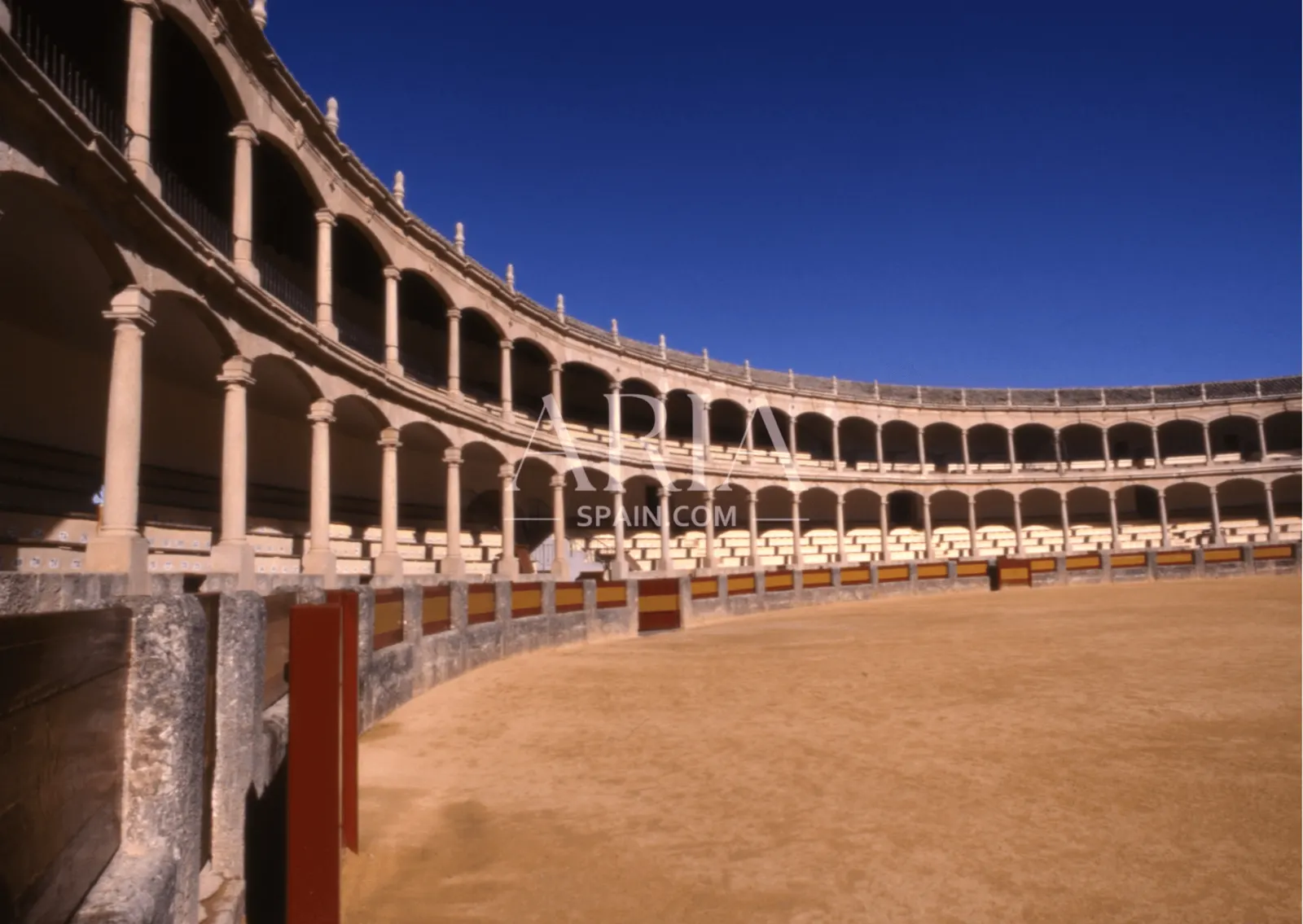
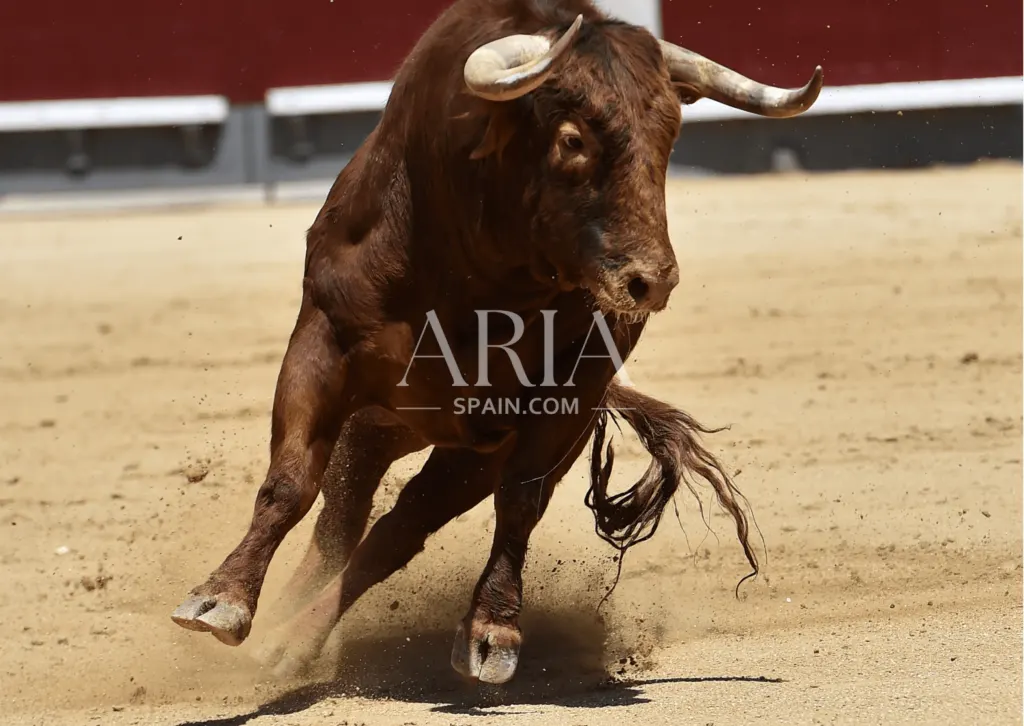
Bullfighting, also known as the corrida, is a traditional art form and sport with deep roots in Spanish history. Many people see it as a cultural spectacle, while others criticise it as a form of cruelty to animals. Despite the controversy, it remains an important element of Spanish culture and identity.
Where does bullfighting come from?
The history of bullfighting goes back many centuries, and its roots can be found in rituals involving cattle. The key stages of its development are:
- Middle Ages: bullfights began to take on a more organised form.
- 16th century: bullfights became popular at the Spanish royal courts.
- Subsequent centuries: the tradition grew in importance and spread across the whole country.
How does a bullfight proceed?
A bullfight consists of three main parts, called "tercios":
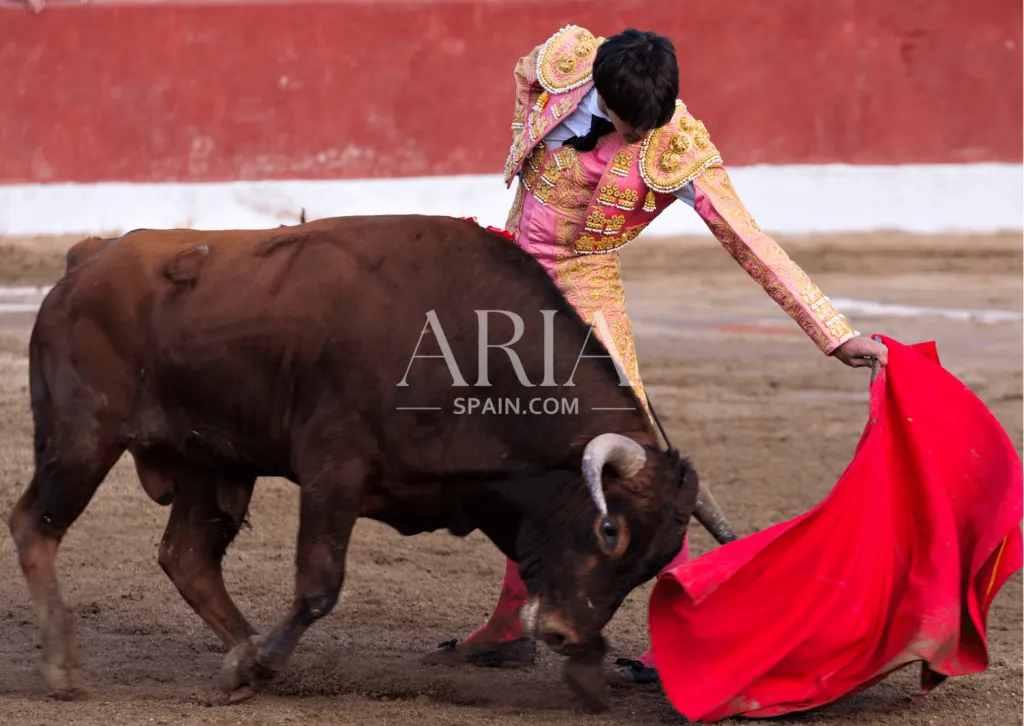
- Tercio de varas: the bullfighters bring the bull into the ring and then weaken it with lances.
- Tercio de banderillas: coloured flags are placed in the bull's body, which is meant to prove the bullfighter's courage.
- Tercio de muerte: the moment when the bullfighter kills the bull.
Where does bullfighting take place in Spain?
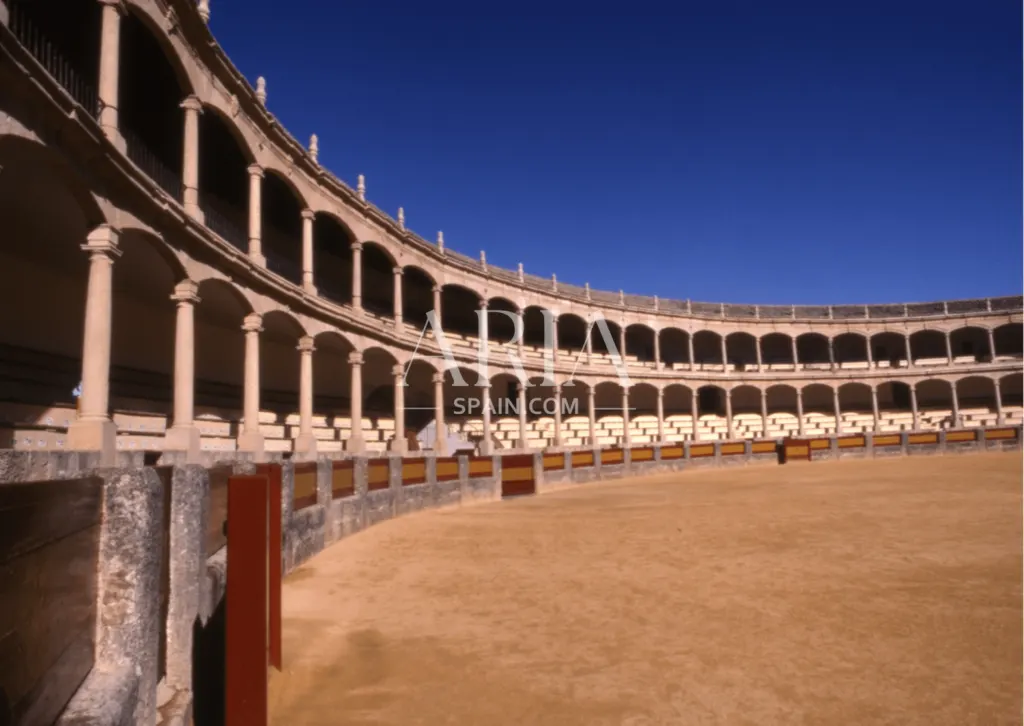
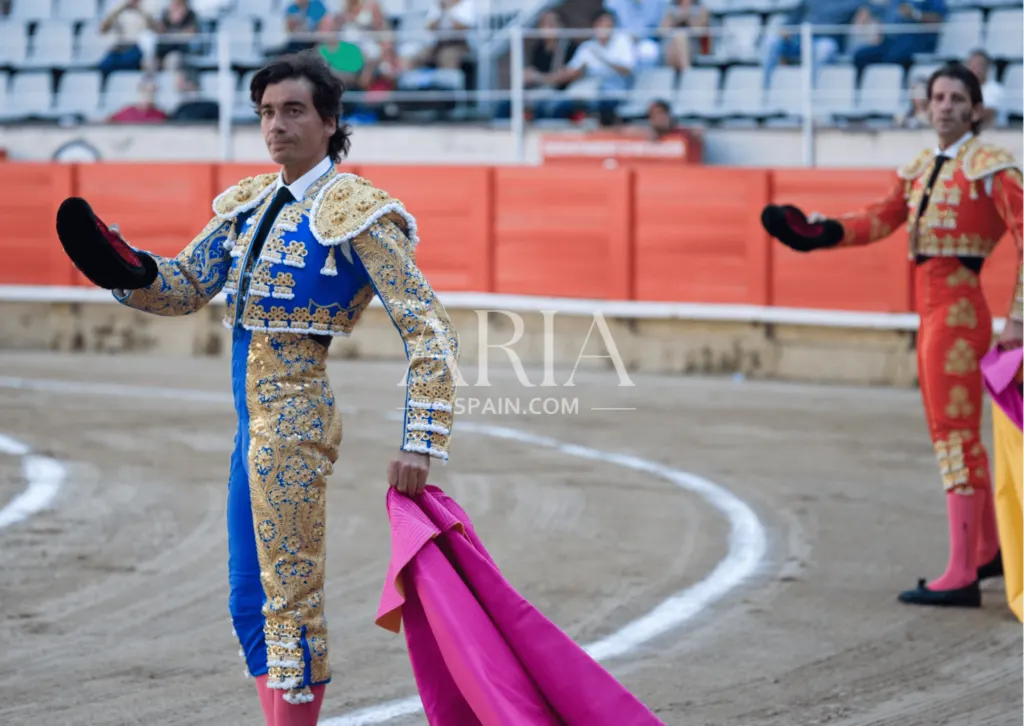
Bullfighting takes place in a special arena called a "plaza de toros". The rings can hold thousands of spectators, who come to admire the bullfighters' skill. Before the fight begins, there is often a ceremony in which the bullfighters pay tribute to the mother.
The best-known bullrings in Spain include:
- La Maestranza in Seville,
- Plaza de Toros de Las Ventas in Madrid.
Each of these places has its own atmosphere and traditions. Bullfighting is not only a sporting event but also a social one: people gather to share the excitement together.
Who are the bullfighters (matadors)?
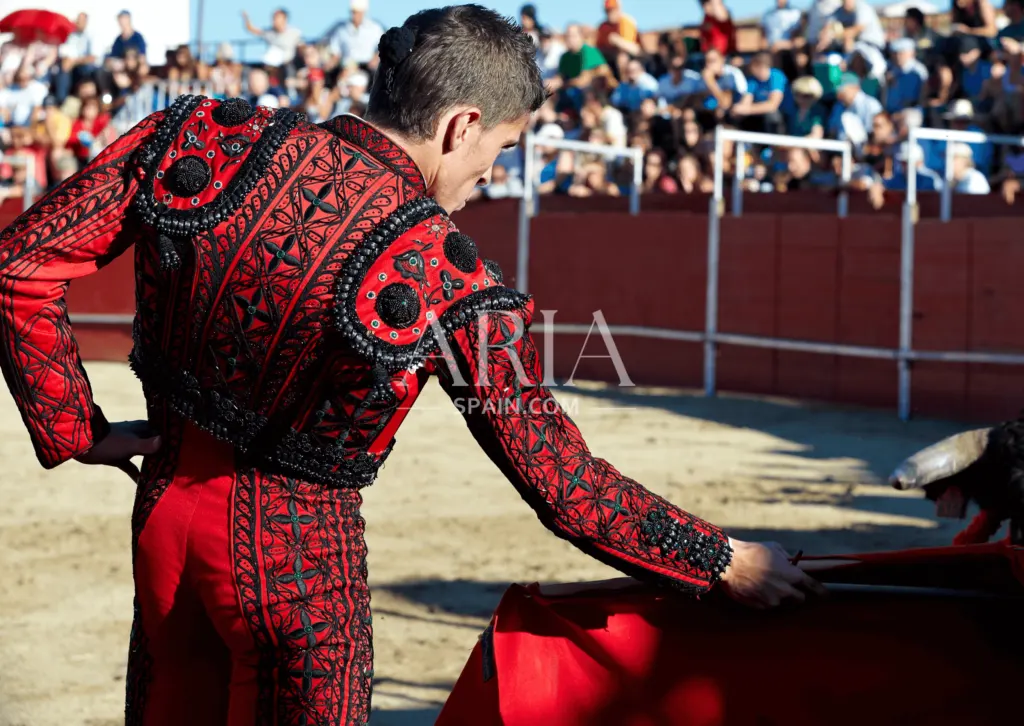
Bullfighters, also known as matadors, are highly respected in Spanish culture. They must undergo long training to acquire the skills needed to fight bulls. Many of them become stars, and their lives often resemble those of celebrities.
Why is bullfighting controversial?
Over time bullfighting began to provoke opposition, especially among animal lovers and animal rights organisations. The dispute runs as follows:
- Critics point to the suffering of the bulls and regard bullfighting as an outdated tradition that should be abolished.
- Supporters argue that it is an important element of Spanish culture, with its place in the country's history, and that it should be respected as an art form.
In response to criticism, some cities in Spain have banned bullfights. In recent years, some of the traditions associated with bullfighting have been modified, and some bullfighters choose to fight without killing the bulls, which is a way of showing respect for the animals.
What impact does bullfighting have on culture, and what is its future?
Bullfighting has inspired many writers, painters and filmmakers, who have created works showing both the beauty and the brutality of the fight. It is still an important subject in Spanish society and a matter of continuing debate.
As society changes, the future of bullfighting may change too. Some fear the tradition will disappear, while others hope for a compromise that would preserve this art in a more humane form. Even so, bullfighting remains an inseparable part of Spanish culture, in which passion, art and tradition intertwine.
Frequently asked questions
What parts does a bullfight consist of?
Three parts, the so-called tercios: tercio de varas (weakening the bull with lances), tercio de banderillas (placing coloured flags in the bull's body) and tercio de muerte (the bullfighter killing the bull).
Since when has bullfighting been popular in Spain?
Bullfighting began to take an organised form in the Middle Ages, and in the 16th century bullfights became popular at the Spanish royal courts. In the following centuries the tradition spread across the whole country.
Where are the best-known bullrings?
The best known include La Maestranza in Seville and the Plaza de Toros de Las Ventas in Madrid. These rings can hold thousands of spectators.
Is bullfighting banned in Spain?
Some cities in Spain have decided to ban bullfights. Some bullfighters also choose to fight without killing the bulls.
If you are planning to move to Spain, Aria Spain, a licensed agency (RAICV no. 4123), will help you buy a new-build property on the Costa Blanca, Costa Cálida or Costa del Sol with no commission for the buyer and with support in English. Book a free consultation.