 Skip to content



Single-storey homes are growing in popularity because they remove stairs, which makes everyday life easier for seniors, people with mobility problems and families with young children. They are also usually cheaper to buy and maintain than detached villas. In Mediterranean countries, especially Spain, there is also the outdoor lifestyle: a patio, a small garden or a roof solarium.
Why is the absence of stairs such a key advantage?
A single-storey home removes vertical barriers entirely. In practice this means:
- Independence and safety for seniors – no steps to negotiate and no expensive lifts, which would be needed in a multi-storey building.
- Child safety – a lower risk of falls and easier supervision, as children move freely between the bedroom and the living room.
- Better temperature distribution – in a hot climate, warm air naturally rises to the upper floors, and the single-level structure of the building prevents this.
- More usable space – without a staircase you can reclaim square metres for a larger living area or a utility room.
What are the characteristics of a typical bungalow in Spain?
Traditional building on the Iberian Peninsula has for centuries made use of low-rise construction, which encourages outdoor living. A typical bungalow for sale in Spain has not only a ground floor but often also a spacious patio or roof solarium, which compensates for a smaller plot.
Key features:
- large glazed areas and direct access from the living room to the terrace, which blur the line between the interior and the garden,
- privacy thanks to the layout of the developments – entrances are often independent, and neighbours are less intrusive than in apartment blocks,
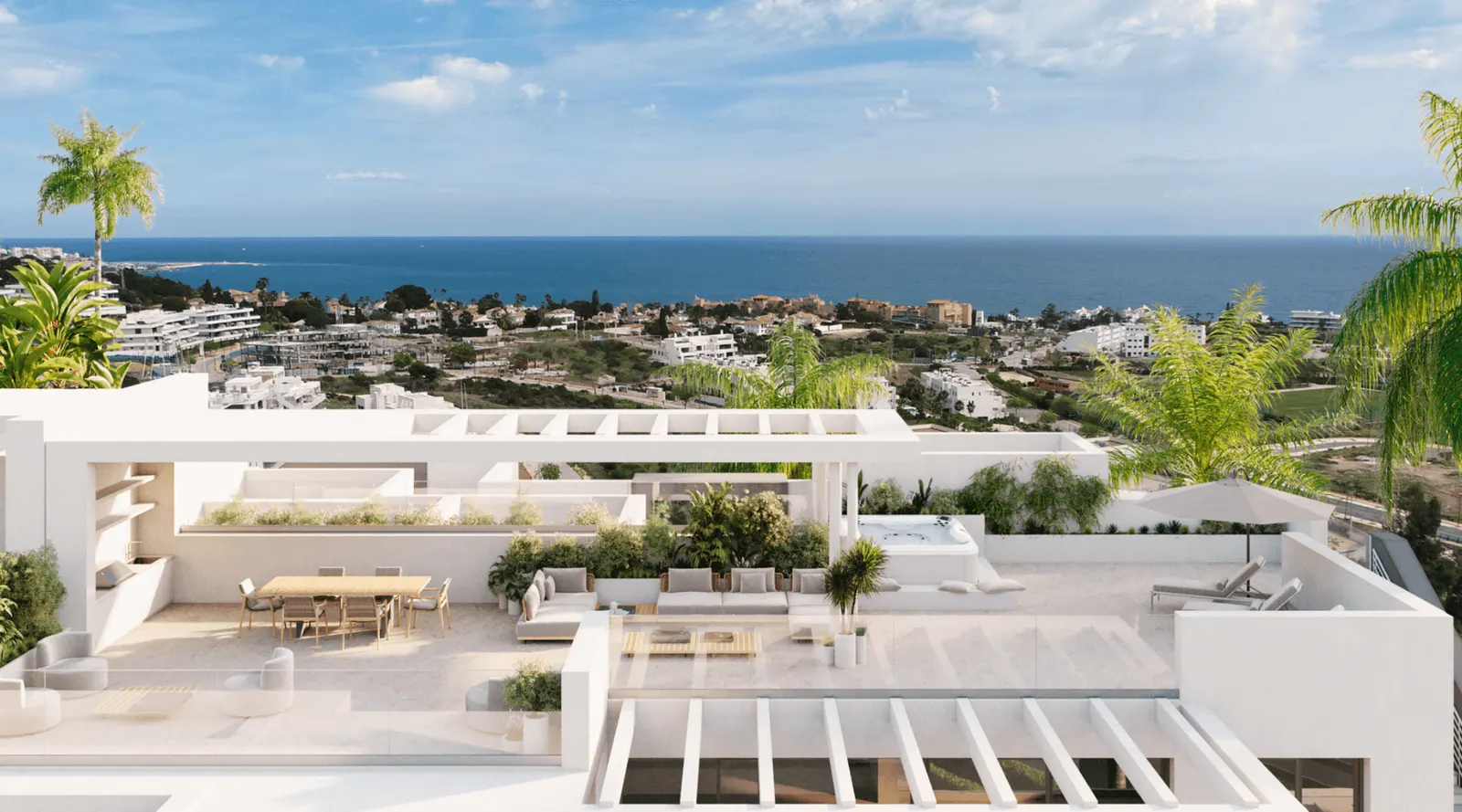
- two variants in many new complexes: a ground floor with a garden or a first floor with a rooftop terrace with views, while keeping the intimate character of the development.
What financial benefits does buying a single-storey property bring?
- Lower purchase price – terraced or semi-detached bungalow-style housing is usually cheaper than a detached villa, while offering a standard close to that of a family house.
- Lower energy bills – a smaller volume means faster heating in winter and easier cooling in summer.
- Cheaper renovation and maintenance – work on the façade or roof usually does not require specialist equipment for working at height.
- Good occupancy in holiday rentals – the property is accessible to a wide range of tourists, including people with disabilities, which increases the potential rate of return.
Where to look for single-storey homes in Spain?
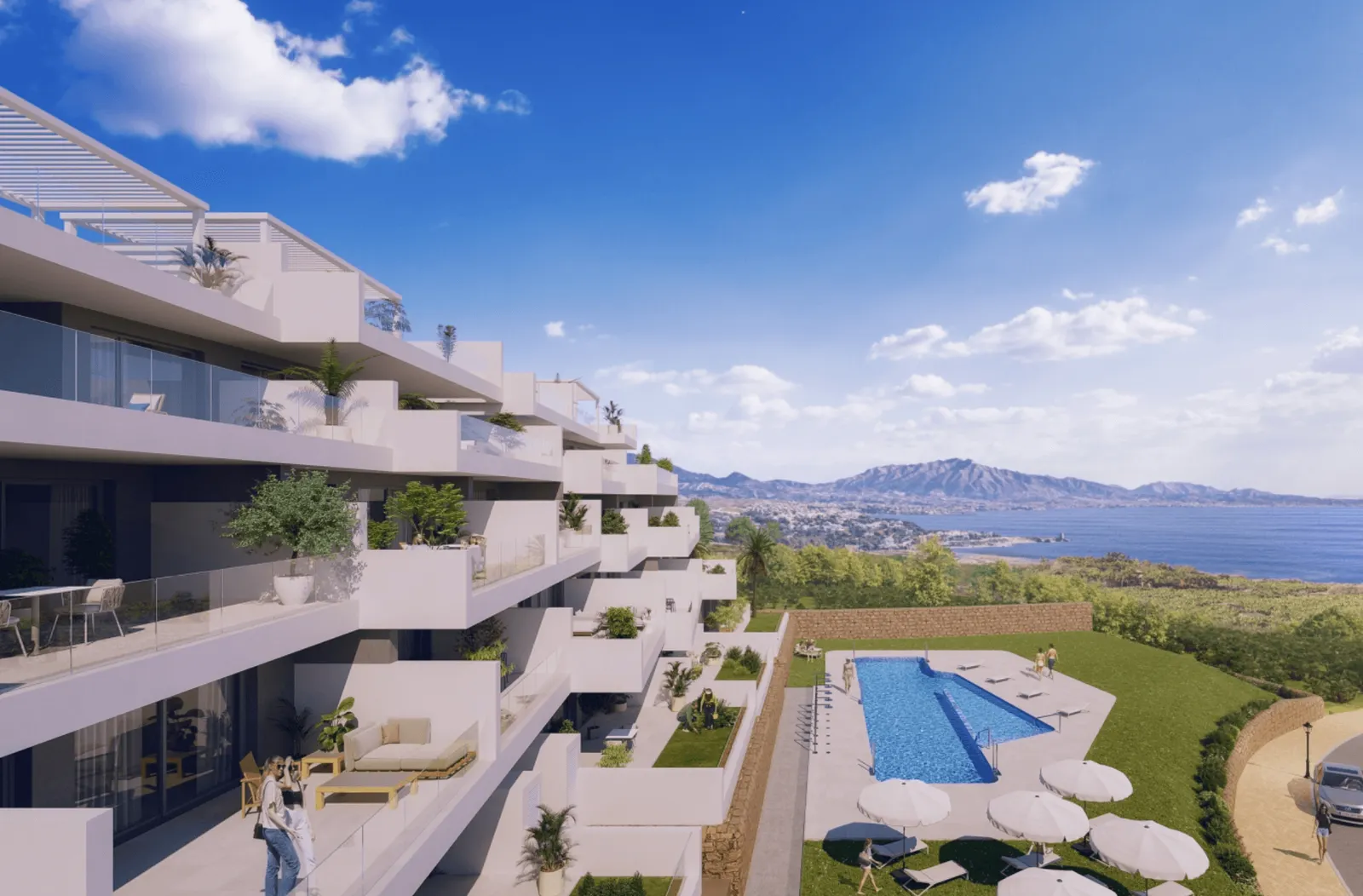
The widest choice of low-rise housing is in tourist regions such as the Costa Blanca and Costa Calida, where urban planning favours extensive but low-rise developments. Developers readily build such complexes with pools and green areas near golf courses and on the second line from the sea.
What to look out for when choosing:
- access to a full range of services within walking distance – important for people without a car,
- the orientation of the terrace relative to the points of the compass, to ensure optimal sunlight throughout the year,
- whether the development is gated and monitored – this is standard in new-build housing and particularly important for seasonal residents.
Summary: who benefits from buying a bungalow in Spain?
A single-storey property is an alternative to flats and multi-storey houses, combining comfort, safety and practicality. The absence of stairs suits seniors and families with children, the link between interior and garden or terrace encourages outdoor living, and lower purchase and running costs improve profitability, especially for tourist rentals. It is a home that adapts to your needs at every stage of life.
Frequently asked questions
Are single-storey homes cheaper to run than two-storey ones?
Yes, they usually cost less. A smaller volume lowers air-conditioning and heating bills, and maintaining the façade or roof does not require expensive equipment for work at height.
Who is low-rise housing best suited to?
For older people and those with mobility difficulties, since there are no stairs. Families with young children also choose it readily, for whom a single level means greater safety and easier care.
How does the ground floor differ from the top floor in bungalow-style housing?
The ground floor usually has direct access to a private garden, which works well for pet owners, for example. A top-floor unit often has a private rooftop solarium with better views and greater privacy.
Is a bungalow in Spain suitable for holiday lets?
Yes, such properties enjoy high occupancy because they are accessible to a wide range of tourists, including people with disabilities. This increases the potential return on the investment.
Which regions of Spain have the most single-storey homes?
The widest choice is in tourist regions such as the Costa Blanca and Costa Calida, where extensive, low-rise developments are built, often close to golf courses and on the second line from the sea.
Aria Spain, a licensed agency (RAICV no. 4123), sells new-build bungalows from developers on the Costa Blanca and Costa Calida with no commission for the buyer, and guides you through the entire process in English. Book a free consultation to see the current offers.