 Skip to content



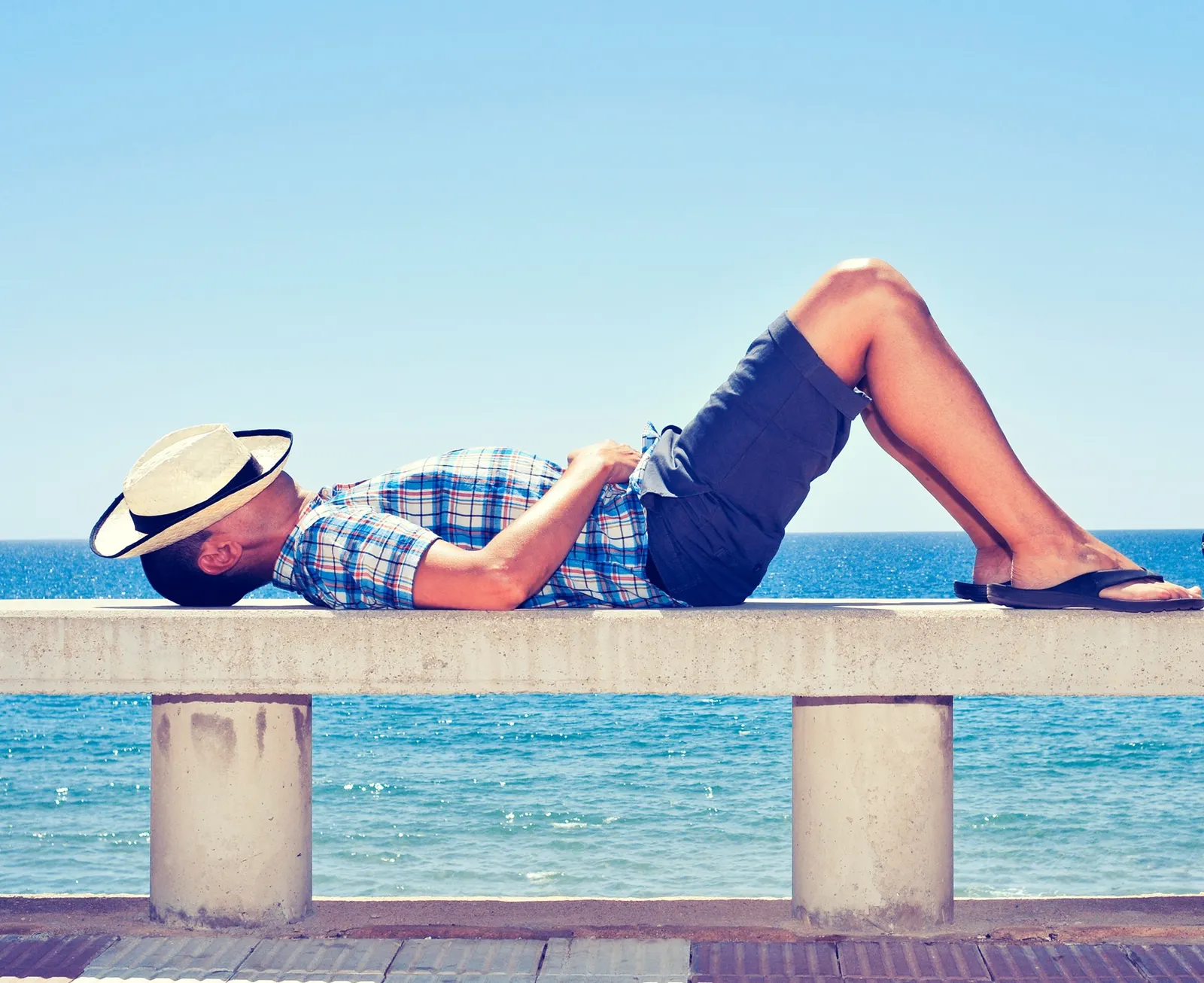
The siesta in Spain is a reality, but not in the form many people imagine. Spaniards do not sleep during the day every day. The siesta is above all a longer break in the middle of the day, linked to lunch. During this time many shops and offices are closed, and life shifts to the evening.
Is the siesta in Spain a myth?
If the siesta is understood as a compulsory nap during the day, then yes, it is a myth. It does not work that way.
Seen instead as a different rhythm of life, however, it is very much a reality. You have to get used to it, but in time it becomes something normal.
At first it is easy to see the siesta as a slogan from descriptions of Spain, like year-round sunshine or a relaxed life by the sea. Its reality becomes visible only when you try to get something done in the middle of the day. It is hot, the hour seems perfectly ordinary, and most places are closed: the shop, the office, and the streets are almost empty.
Do Spaniards really sleep during the day?
No, and this is the biggest misunderstanding about the siesta. Of course someone will occasionally take a nap, but it is not the norm. Most people simply take a longer break.
What is the day like in Spain?
The day in Spain is structured differently from in Poland:
- The morning starts more calmly.
- In the middle of the day comes lunchtime, which is an important part of the day. It is not a quick meal but a proper break, often spent unhurriedly with family or friends. In practice, that is exactly what the siesta is.
- In the evening everything works again. People leave their homes, restaurants fill up, the streets come alive. Dinner at 9 or 10 pm stops seeming strange.
The biggest change is that life shifts later.
How does the siesta affect getting things done?
At first the siesta can be a problem. Someone used to everything being open all the time simply goes out and gets done what they need. In Spain you have to plan it.
If you do not manage to get something done before the afternoon, you often have to wait a few hours. Especially at the beginning, this can be irritating.
How do you get used to the siesta?
In time, getting used to it comes naturally. Planning your day looks different:
- you know when to get things done and when there is no point going out,
- you stop getting annoyed that something is closed,
- you accept that not everything happens at once and not everything has to be done immediately.
What bothers you at first later starts to make sense. This rhythm is best felt on the spot, because it is hard to understand from a description alone. It is worth coming and checking whether this kind of everyday life is right for you.
We help you not only find a property in Spain, but also get through the whole process and find your feet in this everyday life from the first days.

Frequently asked questions
Is a daily nap during the day the rule in Spain?
No. Someone will occasionally take a nap, but it is not the norm. Most Spaniards simply take a longer break in the middle of the day.
What does the siesta actually involve in practice?
A longer break built around lunch, which in Spain is an important part of the day. It is eaten unhurriedly, often with family or friends.
Are shops and offices closed during the siesta?
In the middle of the day most places, including shops and offices, tend to be closed and the streets are almost empty. If you do not manage to get something done before the afternoon, you often have to wait a few hours.
What time is dinner eaten in Spain?
Dinner at 9 or 10 pm is normal in Spain. Life shifts to the evening, when restaurants fill up and the streets come alive again.
How does Aria Spain help?
Aria Spain sells new-build property from developers on the Costa Blanca, Costa Calida and Costa del Sol, with no commission for the buyer, and helps in English after the purchase too: from the NIE number and bank account to transferring the utilities into your name. Book a free consultation to talk about living in and buying in Spain.