Short-term or long-term letting in Spain? Guide 2026
Katarzyna Wabia
Short-term (tourist) rental gives the highest rate of return in Spain. In the sample calculations for 2026 it is 7–10% a year, but this model requires a tourist licence and carries seasonality risk. Long-term rental brings in less, around 4–5% a year, but steadily over 12 months. The increasingly popular hybrid model combines the two approaches.
In 2026 the choice is affected by three factors: new energy-efficiency standards for buildings, local regulations on holiday lets and the rising costs of maintaining unoccupied properties. The decision on the letting model therefore requires a more conscious approach than even a few years ago.
Short-term rental in 2026: high income, more formalities
Holiday letting remains the most lucrative investment model on the Costa Blanca and Costa del Sol. From 2026, however, the importance of the licence, the quality of the building and energy efficiency is growing.
Advantages
Highest rate of return: in the summer season nightly rates are at a record level.
Growing demand in year-round regions such as Alicante, Benidorm, Calpe, Marbella and Estepona.
Owner flexibility: you use the property whenever you want.
New class A+ buildings that meet the 2026 standards are more readily chosen by premium tourists.
Challenges
Tourist licences will be checked more strictly.
Some communities of owners are starting to vote on a ban on short-term rentals in the building.
Running costs are higher, because there are more guest changeovers, cleaning and servicing.
Seasonality risk is lower on the Costa del Sol than in the north of Spain.
When should you choose the short-term model?
When you buy close to the sea or in a resort with a large number of tourists.
When you want maximum profit and high occupancy from May to October.
When you want to use the apartment yourself at chosen times.
Long-term letting in 2026: stability and lower risk
From 2026, long-term letting is becoming more attractive for investors who value peace of mind. This results from three phenomena:
the cost of living in Spain is rising,
demand for year-round rentals in cities is at a record level,
many foreigners are moving to Spain permanently (remote workers, retirees, expats).
Advantages
Steady income for 12 months, with no seasonality.
Lower operating costs than with tourist rental.
High demand in cities: Alicante, Valencia, Málaga, Murcia.
A good fit for an investment financed with a mortgage.
Disadvantages
Lower profitability than with short-term letting.
No flexibility, because the apartment is occupied all the time.
The need to select reliable tenants.
When should you choose long-term rental?
When you want a stress-free investment without guest turnover.
When you buy in a city rather than in a tourist resort.
When the goal is a stable cash flow.
What changes for investors from 2026?
1. New energy standards for buildings (EPBD 2026)
New developments must have:
better insulation,
more efficient heat pumps,
lower energy consumption,
often also photovoltaic installations.
For an investor this means several benefits:
tourists prefer modern properties,
long-term tenants prefer apartments with lower bills,
the resale value after a few years is higher.
2. Changes in local holiday-let regulations
In many regions:
the issuing of licences is being restricted,
homeowners' associations can ban holiday lets by a majority vote,
higher taxes for foreign non-resident owners are expected to be introduced.
All these changes will affect the profitability of letting.
3. The growing importance of year-round locations
In 2026 there is a clear trend: investors are moving away from small seaside towns towards Alicante, Malaga, Valencia and Murcia. The reason is growing demand outside the season.
What should you look out for when buying a property to rent out?
Location
Short-term letting works best:
300–800 m from the sea,
in developments with a pool, gym and reception,
in resorts with documented tourist traffic.
Long-term rental works best:
in city centres,
near transport, schools, offices and universities,
in neighbourhoods where expats and remote workers live.
Tourist licence
In 2026, checking the licence is crucial. Without one, short-term rental may be blocked entirely.
Running costs
In new buildings the community fees are higher. In return, the property is more attractive, which translates into higher rental income.
Seasonality
Costa Blanca: the season runs from April to November.
Costa del Sol: demand lasts practically all year round.
Standard of finish
In 2026, tourists and tenants are attracted by:
bright interiors,
large terraces,
ducted air conditioning,
energy-saving solutions.
How much can you earn? Examples of results in 2026
Short-term rental: Torrevieja / Benidorm
A 2-bedroom apartment, 400 m from the sea.
Price: €240,000–260,000.
Income in high season: €130–180 per night.
Occupancy in July and August: 95%.
Average rate of return: 7–10% a year.
Long-term rental: Alicante / Malaga
A new 2-bedroom apartment.
Price: €220,000–250,000.
Rent: €950–1,200/month.
Occupancy: 12 months.
Return: 4–5% a year, stable and free of seasonality risk.
The hybrid model, increasingly popular in 2026
Tourist rental from June to September.
Medium-term rental (3–5 months) from October to March.
This arrangement combines the high earnings of the season with stability outside it.
Which rental model should you choose in 2026?
Model
Profit
Risk
Flexibility
Requirements
Short-term
★★★★★
medium
high
a licence, a seafront location
Long-term
★★★☆☆
low
low
urban location
Hybrid
★★★★☆
low/medium
high
a good location + a manager
Maximum profitability: short-term letting.
Peace of mind and predictability: long-term letting.
A combination of both: a mixed model that works best in 2026.
How does Aria Spain help investors choose a letting model?
Choosing a property for a specific letting model. We analyse the location, seasonal occupancy, demand for long-term lets, community costs and the chances of obtaining a tourist licence.
Checking the regulations. We check the rules in the given building and municipality and advise on how to avoid the most common mistakes.
ROI calculations and income forecasts. We prepare realistic calculations tailored to your budget.
Advice on purchase, with no commission for the buyer (0%).
Help after purchase. This includes contacts for rental management companies, advice on furnishing for tourists and support with the licence process, where a licence is available.
Sample listings
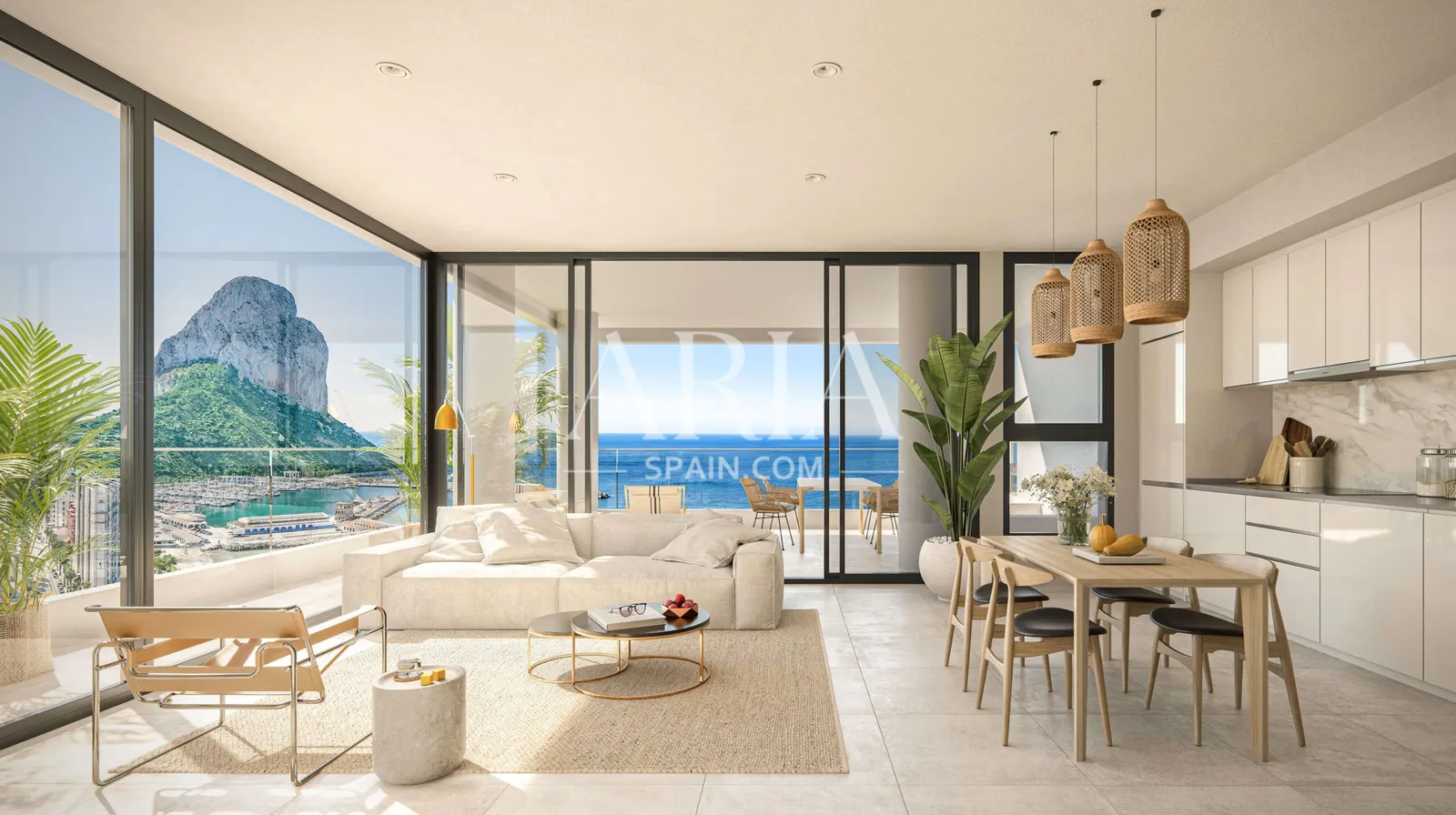
Beachfront apartment, Calpe: from 73.81 m², 3 rooms, 2 bathrooms, front-line beach location, air conditioning, communal pool, balcony/terrace. From €680000 (price excludes VAT).
Apartment in Villajoyosa: from 80.30 m², 2 rooms, 2 bathrooms, sea view, air conditioning, communal pool, furnished apartment. From 375000 € (price excludes VAT).
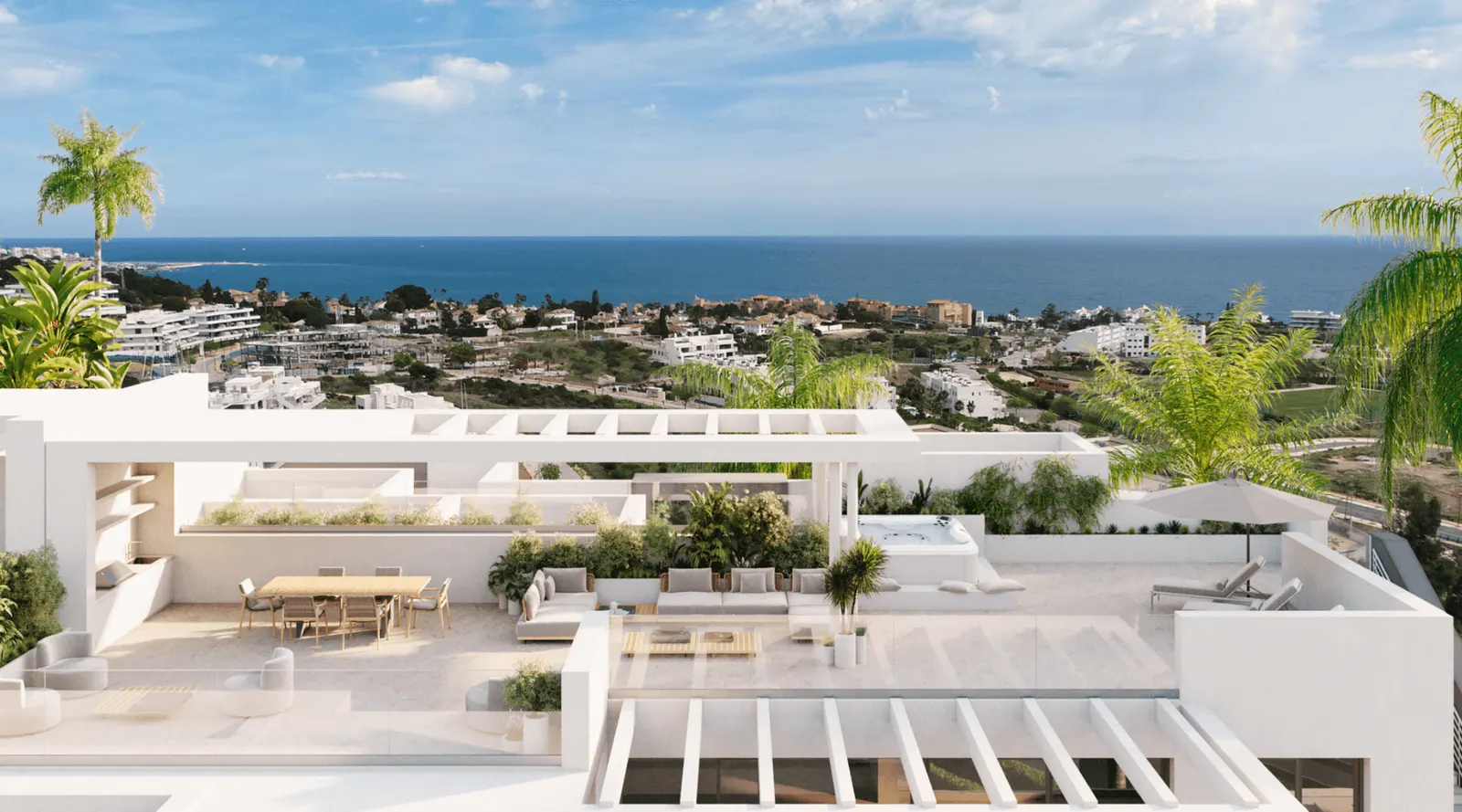
Penthouse with a private pool, Orihuela: from 174.00 m², 2 rooms, 2 bathrooms, sea view, next to golf courses, air conditioning, private pool. From 925000 € (price excludes VAT).
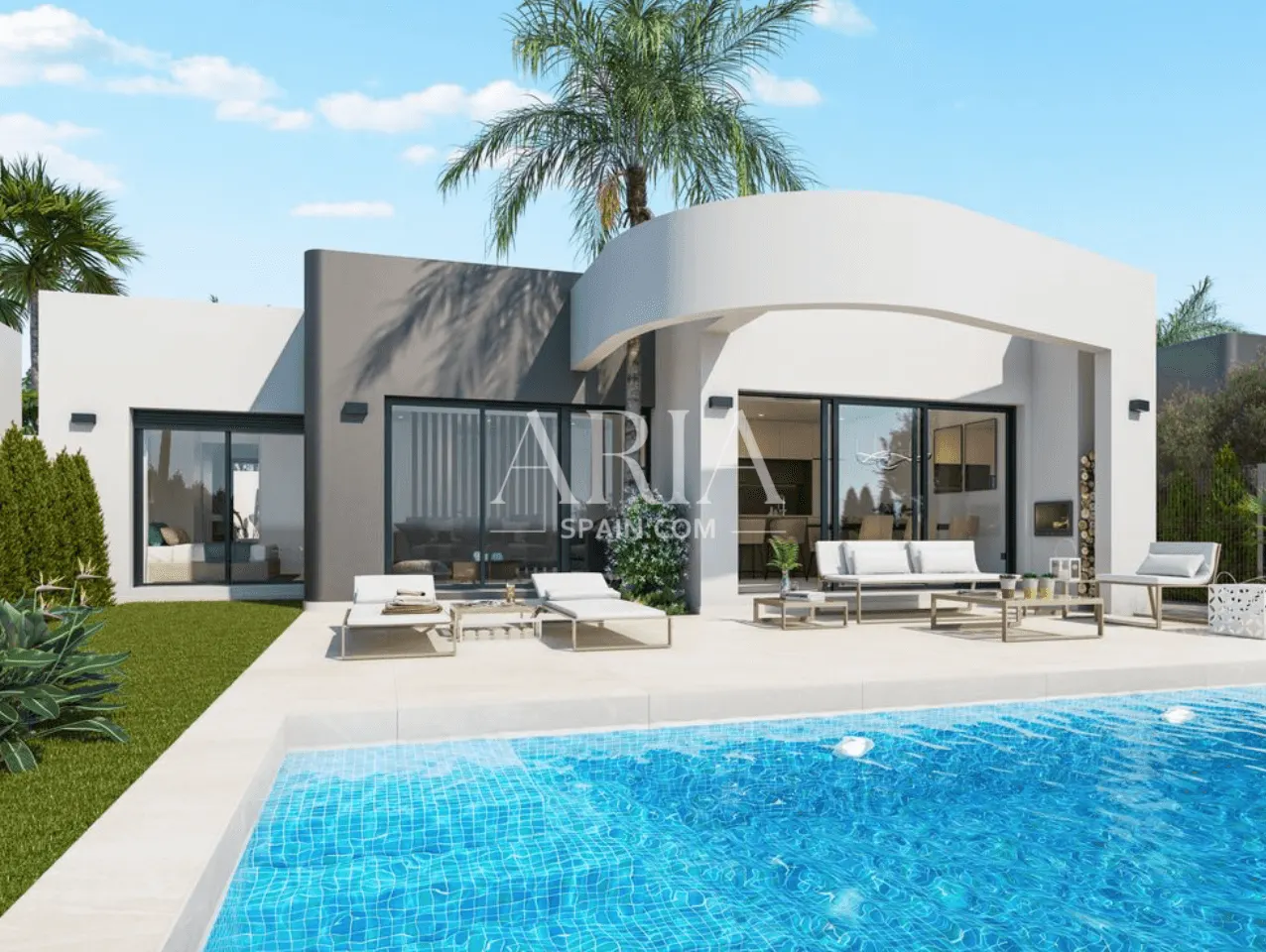
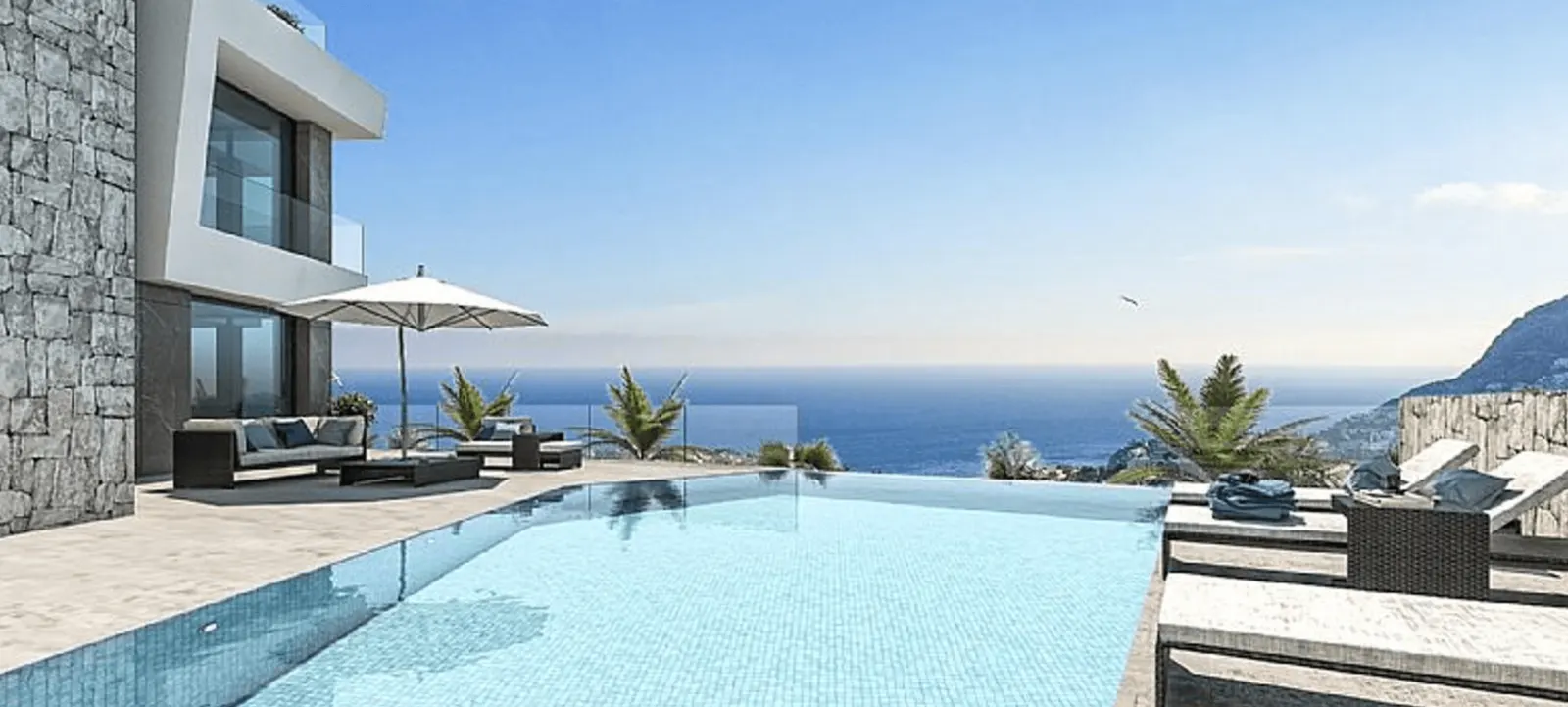
Villa in Benalmadena: from 508.00 m², 4 rooms, 4 bathrooms, sea view, next to golf courses, air conditioning, private pool. From 2950000 € (price excludes VAT).
Frequently asked questions
Which rental model in Spain gives the highest return?
Short-term letting. In the example of a 2-bedroom apartment in Torrevieja or Benidorm, the average rate of return is 7–10% a year, compared with 4–5% for long-term letting in Alicante or Málaga.
Is a tourist licence needed for short-term letting?
Yes. In 2026, checking it is crucial, because without a licence short-term rental may be blocked entirely. In addition, communities of owners can ban tourist rental in the building by a majority vote.
How long is the tourist season on the Costa Blanca and the Costa del Sol?
On the Costa Blanca the season runs from April to November. On the Costa del Sol demand lasts practically all year round.
What is the hybrid model?
From June to September the apartment is let to tourists, and from October to March to mid-term tenants for 3–5 months. This lets you combine high income with stability.
Why do the EPBD 2026 standards matter to an investor?
Energy-efficient buildings are more readily chosen by tourists, long-term tenants value their lower bills, and after a few years such apartments have a higher resale value.
Aria Spain, a licensed agency (RAICV no. 4123) operating on the Costa Blanca, Costa Calida and Costa del Sol, helps you choose a new property for your chosen letting model, and the buyer pays no commission. After purchase we also support you with rental management. Book a free consultation in English, Spanish or French.
To provide the best experiences, we use technologies such as cookies to store and/or access device information. Consenting to these technologies will allow us to process data such as browsing behaviour or unique IDs on this site. Not consenting or withdrawing consent may adversely affect certain features and functions.
Functional Always active
The technical storage or access is strictly necessary for the legitimate purpose of enabling the use of a specific service explicitly requested by the subscriber or user, or for the sole purpose of carrying out the transmission of a communication over an electronic communications network.
Preferences
The technical storage or access is necessary for the legitimate purpose of storing preferences that are not requested by the subscriber or user.
Statistics
The technical storage or access that is used exclusively for statistical purposes.The technical storage or access that is used exclusively for anonymous statistical purposes. Without a subpoena, voluntary compliance on the part of your Internet Service Provider, or additional records from a third party, information stored or retrieved for this purpose alone cannot usually be used to identify you.
Marketing
The technical storage or access is required to create user profiles to send advertising, or to track the user on a website or across several websites for similar marketing purposes.
 Skip to content